A UK Travel Guide to Bath, the Cotswolds and What Is Actually Near
A UK travel guide of one file, written properly, on a Georgian city that doubles as a standing period set: plus what is genuinely within reach of it.
1 file · Bath and the southern Cotswolds
AIAI-generated image
The Bath file, and what is near it in the Cotswolds
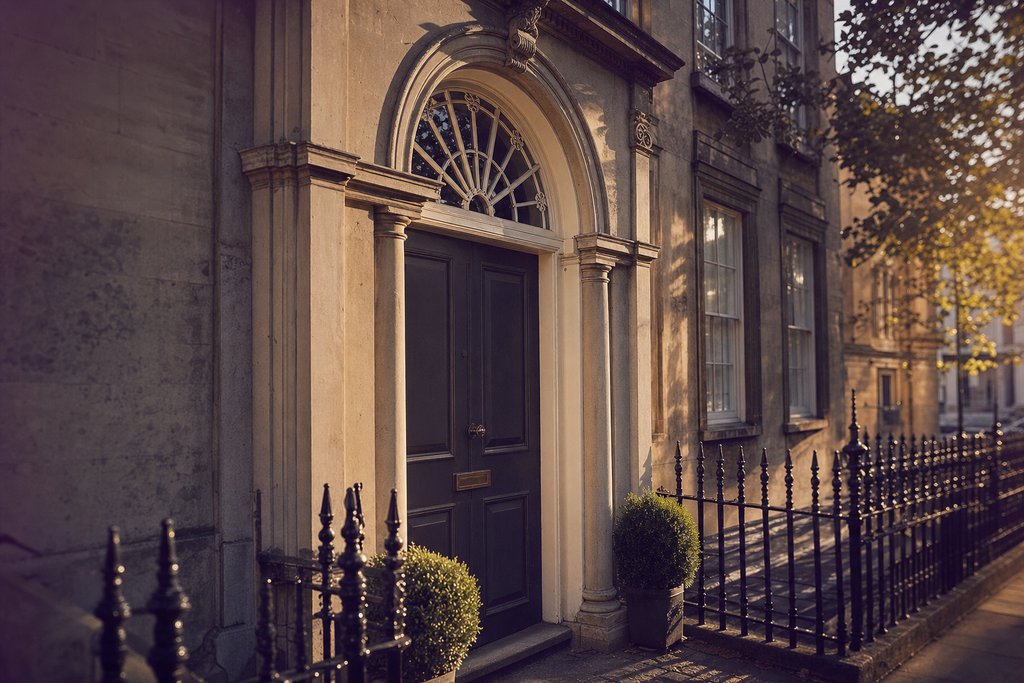
Bath is a small city built almost entirely from one honey-coloured limestone in
one architectural language over about seventy years, which makes it a coherent composition rather
than a collection of buildings, and a standing set for period drama for the same reason.
Most people who visit Bath do it in a single day from London or Bristol, which
is why this UK travel guide is written around walking order instead of a list of attractions: in a city this compact the order you visit in decides how much of it you actually
see. People who visit Bath with a night in the city get the Roman Baths at opening and the
Crescent at dusk, which is a different order again. The Cotswolds section then makes the practical
separation that matters, between the villages genuinely reachable from the city and the ones that
need a car.
AI
Bath and the Cotswolds
A Georgian city built almost entirely from one limestone in one architectural language over about seventy years: which is why it reads as a single composition, not a collection of buildings. The file covers the Roman Baths, the Abbey, the Royal Crescent and the Circus, Pulteney Bridge, and an honest table of which Cotswolds villages are genuinely within reach of the city.
Pages here are added where there is enough to write, and for Britain that is one subject done
properly. Rather than pad the section out to look like the American one, it holds a single
well-made file and a hub that says so plainly.
That is a decision about honesty rather than effort. A reader who arrives here looking for
York, London or the west of Ireland should know within a sentence that this site does not
cover them, and go elsewhere rather than reading three hundred words that never say it.
What Bath does cover
The Roman Baths, the Abbey, the Royal Crescent and the Circus, Pulteney Bridge, and an
honest table of which Cotswolds villages are within reach of the city: which is the question
the accommodation marketing consistently answers wrongly.
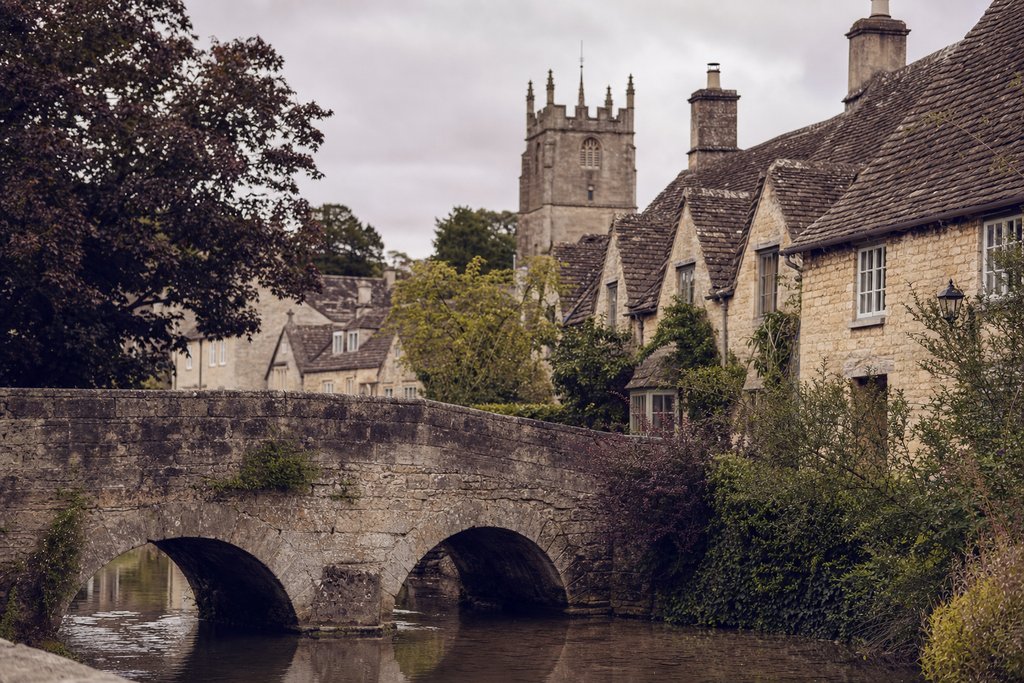
AIAIAI-generated imageThe Cotswolds and Bath sit on the same limestone. It is the same landscape at two
scales.
Ireland, and where the rest of the material sits
Ireland shares the hub label and the inherited nav but carries no file of its
own, so the practical pointer is to the material that does exist. Everything else in this UK
travel guide sits in the one Bath file and the Cotswolds table inside it.
The Europe hub covers Paris, Amsterdam and Salzburg;
the location index holds every screen entry worldwide with its
status and check date; and travel tips covers the money, transport and
connectivity side of any of it.
Getting around Britain without a car
Britain's rail network reaches almost every town of size, and for the city on this hub it is
the obvious choice: ninety minutes from London Paddington to Bath Spa, with the station five
minutes' walk from the abbey. Bristol is fifteen minutes further and has an airport.
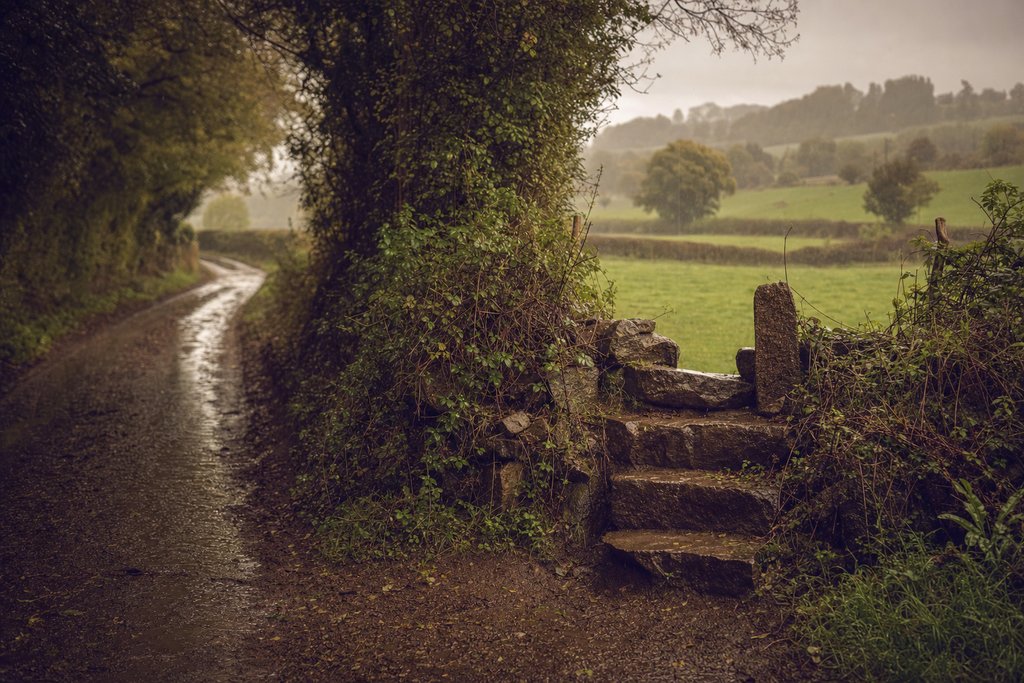
Where it stops working is the countryside. Rural bus services in the Cotswolds are sparse,
slow and often do not run on Sundays, and the villages worth seeing are strung along lanes rather
than a route. For village-hopping, a car is close to essential: which is why this file is honest
about which villages are within reach of a car-free base and which are not.
The practical side: how to visit Bath in a day
Driving is on the left, the lanes are narrow with high hedges, and passing
places are a convention rather than a formality.
Clean air zones operate in several English cities including Bath and
charge some vehicles. Hire cars are usually compliant; check.
Parking in historic centres is limited and expensive. Park and ride is
the normal answer and is well signposted.
Payment is contactless almost everywhere, including buses.
Tipping is around ten per cent in restaurants, often already added as a
discretionary service charge: check the bill before adding again.
Weather is changeable, not extreme. A waterproof is more useful
than a warm coat for most of the year.
Season
Bath is busy from Easter to October and again for about three weeks in December when the
Christmas market fills the abbey churchyard. February is cold, quiet and considerably cheaper, and
the low winter sun is the best light the limestone gets.
The Cotswolds villages are at their worst on summer weekends, when car parks fill by ten and
the single streets become one-way pedestrian flows. A weekday in May or September is a different
place entirely.
Frequently asked questions
Why does the UK section have one file?
Because it earns one. There is one subject here this site can cover properly, and adding five thin pages around it to make the menu look fuller would help nobody. A hub with one child is honest; a hub padded out is not.
Is Bath a good base for the Cotswolds?
For the southern Cotswolds, yes: Castle Combe, Lacock and Tetbury are within forty-five minutes. For the northern villages it is an hour and a half each way, and Cirencester or Stow-on-the-Wold are the better bases.
Do you need a car in Britain?
Not for the cities, which are well connected by rail: Bath is ninety minutes from London Paddington and its station is a five-minute walk from the centre. For the Cotswolds villages a car is close to essential, because the rural bus network is sparse and slow.
Why is Britain such a common filming location?
A dense stock of intact pre-modern buildings within reach of major studio infrastructure, plus a long-established crew base and production incentives. Bath in particular is a standing set for period drama because it is architecturally uniform: one stone, one style, seventy years.