
The Australia desk
A Melbourne Travel Guide: the Cafes, the Victoria Day Trips and the Rest of Australia
A Melbourne travel guide kept as a standing local desk, not as one stop on a circuit: Melbourne, regional Victoria and the Victoria day trips around them. The rest of the country follows behind it.
11 files · 8 in Victoria
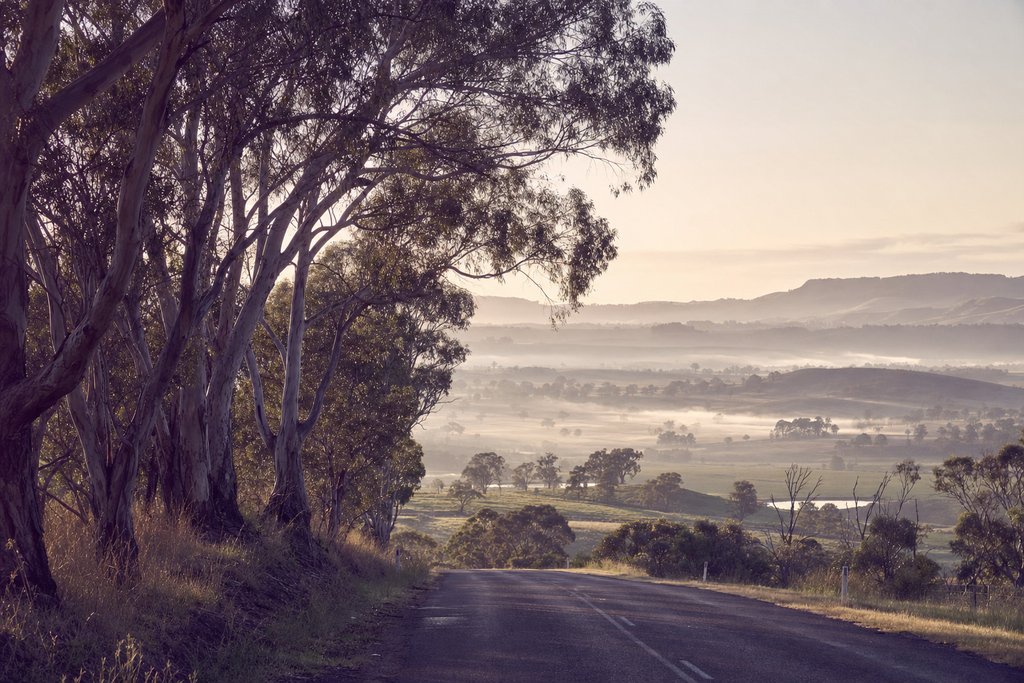
Why this Melbourne travel guide has its own desk
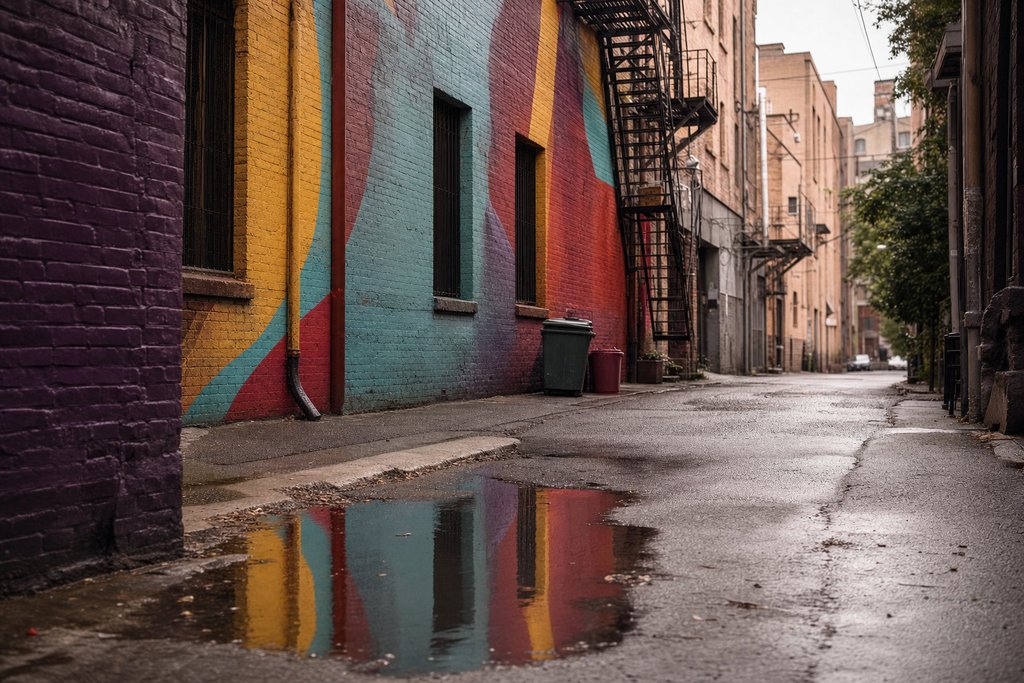
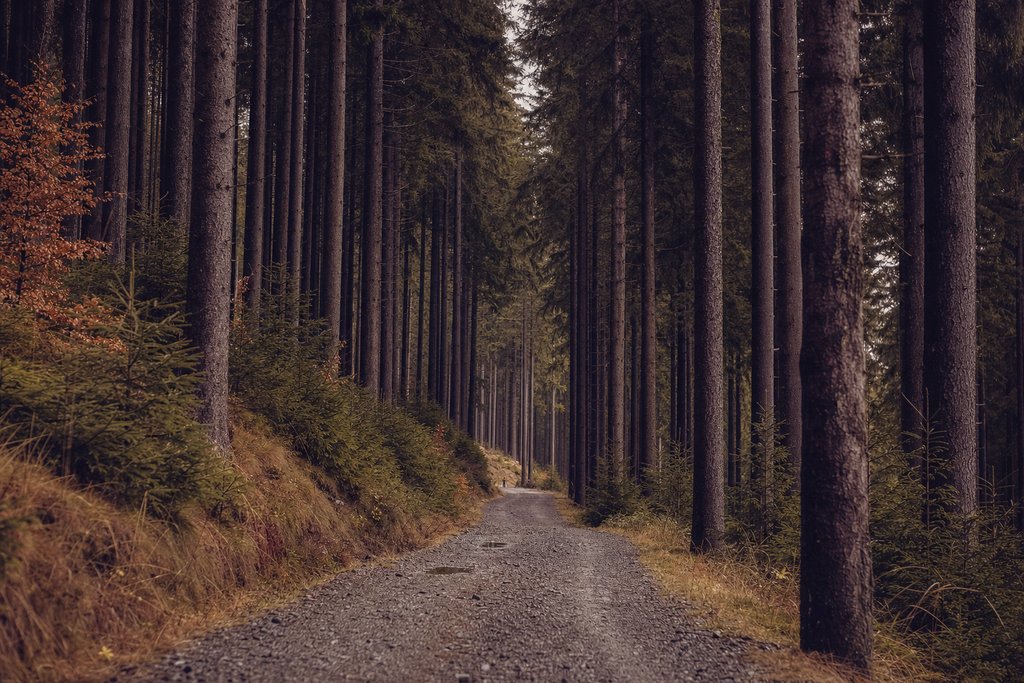
Most screen-location references treat Australia as one line in a list. This one keeps a standing desk for Melbourne and regional Victoria, because the two subjects genuinely overlap on the ground: a 1936 single-screen cinema still projecting 35 mm, a redwood plantation in the Yarra Ranges, laneways repainted every few weeks, and a narrow-gauge steam railway an hour from the city.
The Victoria files are written the same way as the location files: an address, what is there now, and the month it was checked, because a café that has shut and a farmhouse that has been demolished fail a reader in exactly the same way. That is also why the cafes here are treated as addresses rather than as a mood board.
Read together the files work as a Melbourne travel guide with a day-trip radius attached: the city in the morning, the Dandenongs, the Yarra Valley or Hepburn Springs in the afternoon. Most of the Victoria day trips on this site are inside a two-hour drive, which is the only reason they belong in the same guide at all.
Melbourne, regional Victoria and the cafes
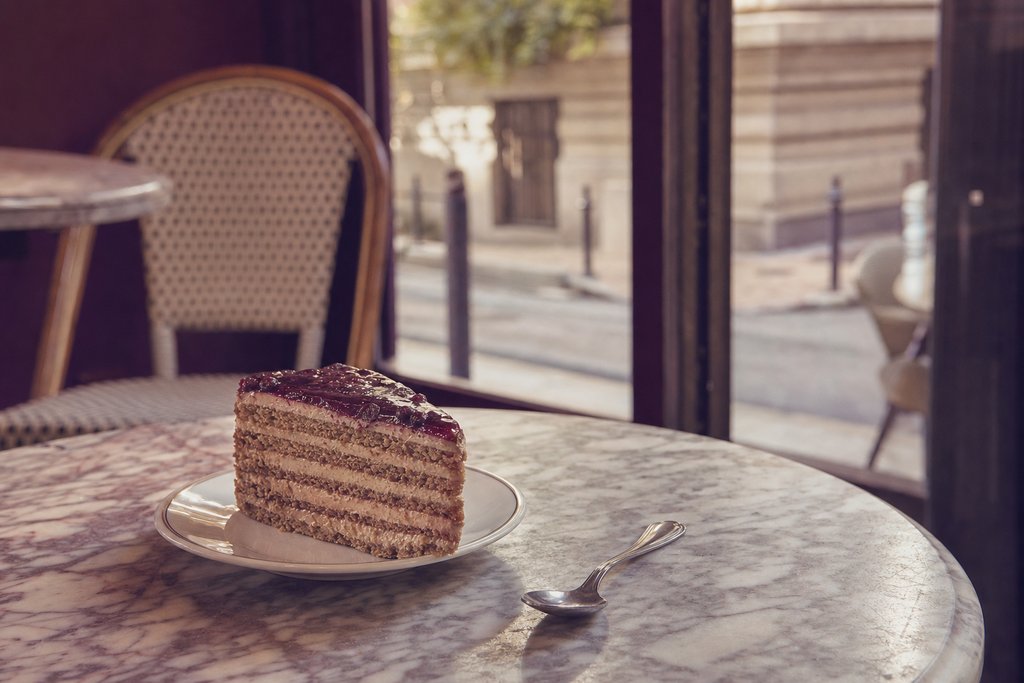

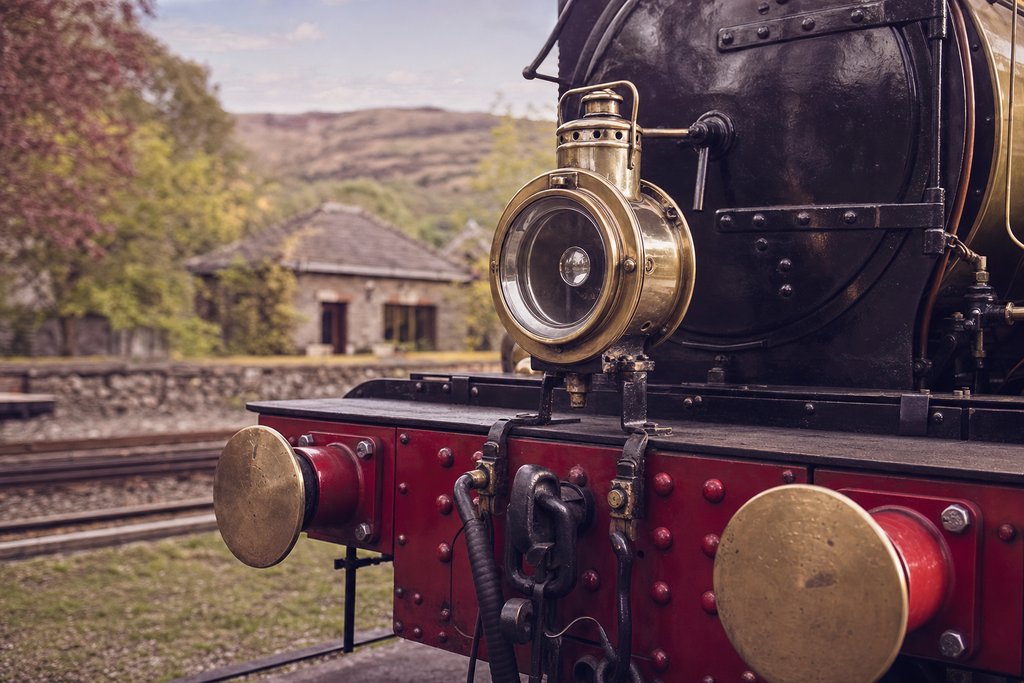
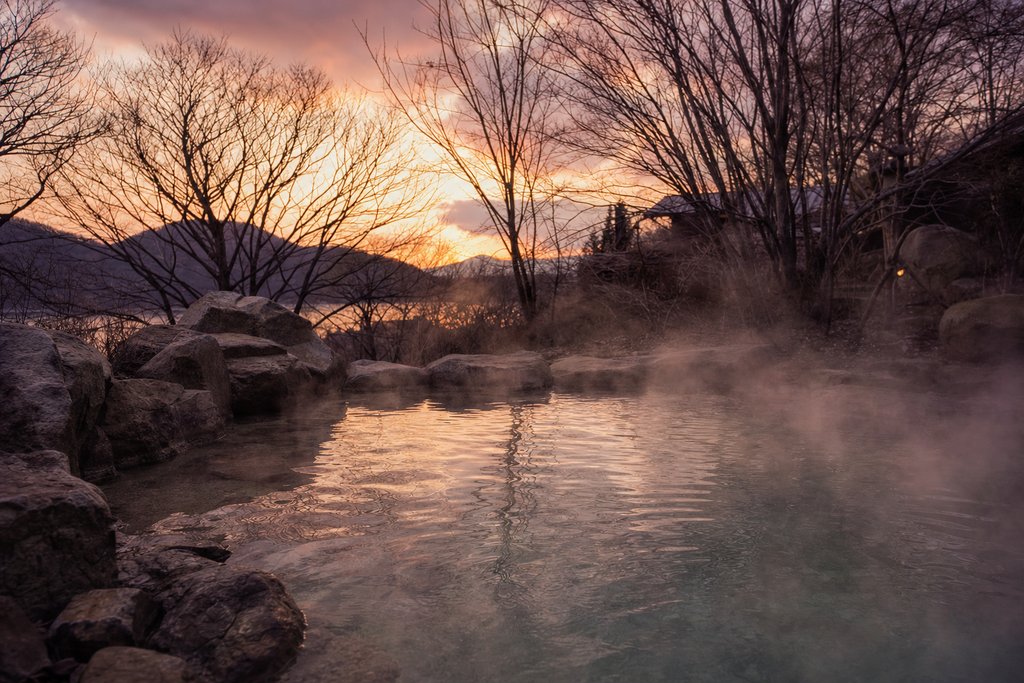
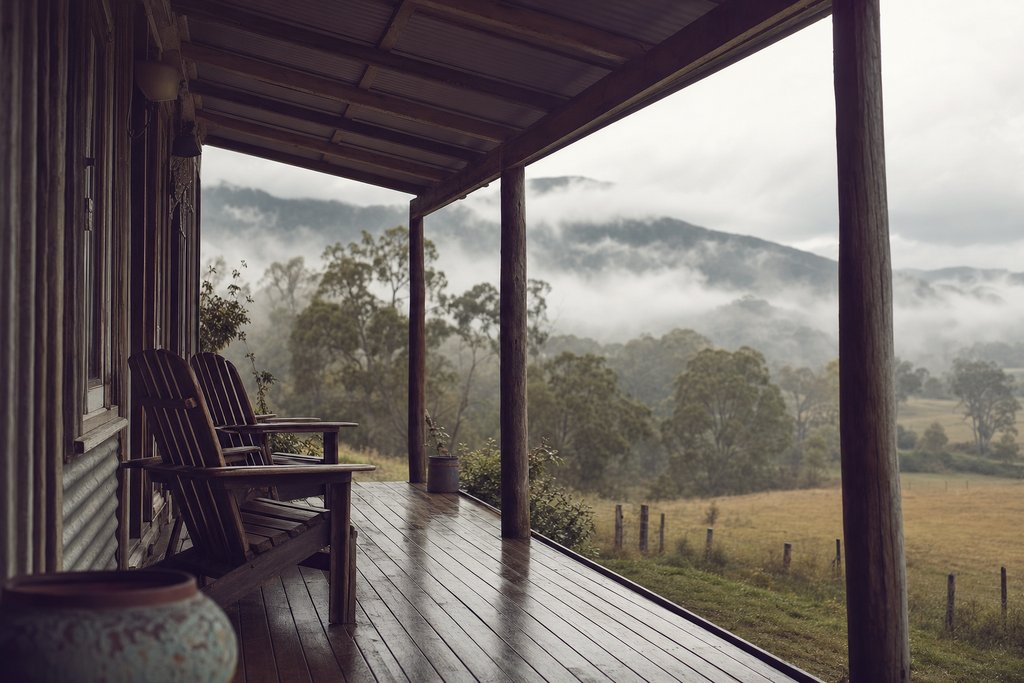
A tiny house in the Yarra Valley
What off-grid means overnight: power, water, wood burner.
Open the fileSydney, Canberra and Queensland
Outside the Melbourne travel guide and its cafes, three files cover the practical version of a well-photographed place: where to stand in Sydney and at what hour, how Canberra's food is actually distributed across its precincts, and what a day trip to Whitehaven really involves.
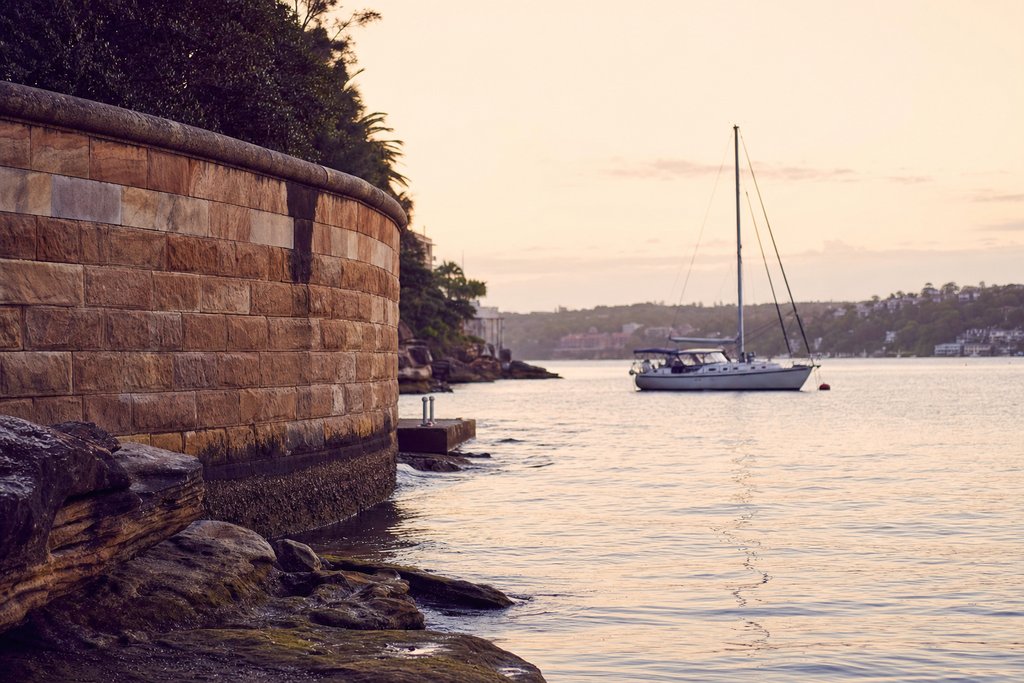

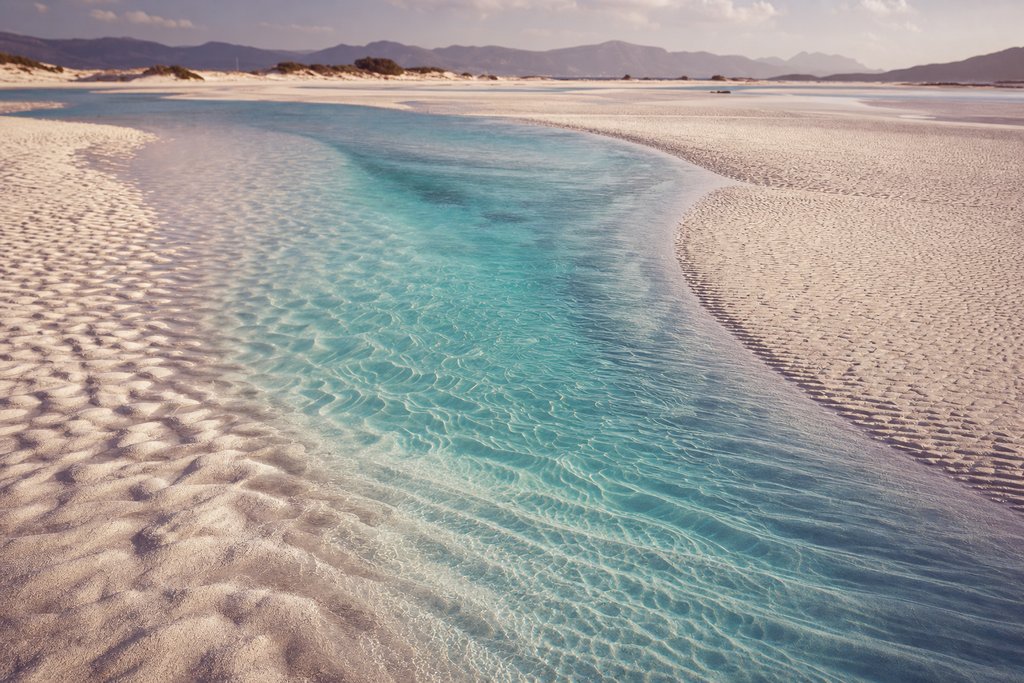
Whitehaven Beach
Silica sand, the Hill Inlet lookout, stinger season, and which kind of boat trip to book.
Open the fileGetting around, and the Victoria day trips worth the drive
Cities
Melbourne runs on trams with a Myki card; the free tram zone covers the CBD grid and nothing outside it. Sydney and Canberra both take a contactless card directly, with a daily fare cap that makes the Sydney ferries effectively free once you have travelled.
Distances
Australian distances are larger than they look on a map. Melbourne to Sydney is nine hours by road or an hour and a half by air; Sydney to the Whitsundays is closer to a flight than a drive. Domestic flights are the normal way to move between states.
Seasons
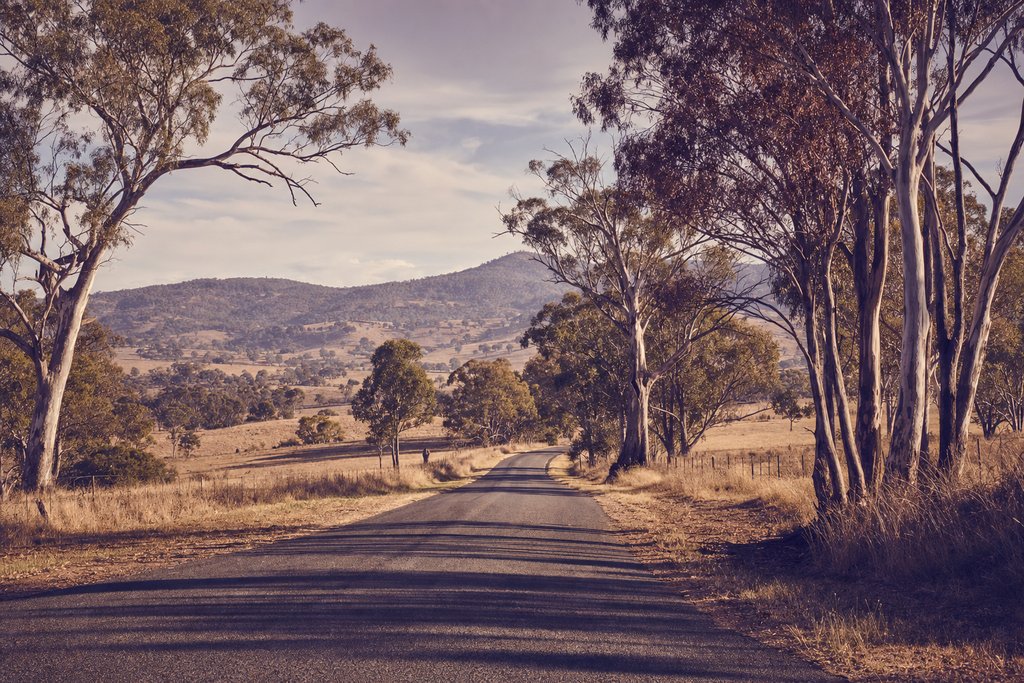
The country is large enough that there is no single good season. Victoria is at its best from October to April and its winters are grey and cold, not dramatic. Queensland inverts that: the dry season from May to September is comfortable and stinger-free, and the summer wet brings heat, rain and cyclone risk. Anyone planning both in one trip is choosing between them.
The rest of the site: the location index covers the screen material worldwide, travel tips covers the practicalities, and all destinations lists every region.
Distances, honestly
Australia is about the size of the continental United States with a fraction of the population, and the internal distances are the thing that undoes an itinerary. Some real figures:
| From | To | By road | By air |
|---|---|---|---|
| Melbourne | Sydney | 9 hours | 1h 30 |
| Melbourne | Canberra | 7 hours | 1h 10 |
| Sydney | Canberra | 3 hours | 50 min |
| Sydney | Whitsundays | 18 hours | 2h 20 |
Anything beyond a state border is a flight. Within Victoria, everything in this hub is within two hours of Melbourne, which is the whole reason the desk works the way it does.
Seasons, by region
Australia is not one climate and the two poles of this hub are close to opposite.
- Melbourne and Victoria: best October to April. February and March are the most reliable. Winter is grey, cold and wet rather than dramatic, and it is the better café and cinema season for exactly that reason.
- Sydney: good most of the year. Autumn, March to May, has the most stable light and the least wind.
- Canberra: autumn for the colour, and be ready for sub-zero winter mornings.
- The Whitsundays: the dry season, May to September: settled weather, clear water and no marine stingers. The wet brings heat, rain, stingers and cyclone risk.
The Victorian and Queensland windows barely overlap, so a trip covering both is choosing a compromise rather than a best of both.
Practicalities
- Public transport: Melbourne needs a Myki card; Sydney and Canberra take a contactless bank card directly. Melbourne's free tram zone covers the CBD grid and nothing beyond it.
- Driving: on the left, and country roads carry wildlife at dawn and dusk; the practical rule is not to drive rural Victoria between sunset and sunrise.
- Sun: the UV index is extreme for much of the year and burns faster than the air temperature suggests. This is not a formality.
- Tipping is not expected. Award wages with penalty rates apply, and rounding up is a kindness, not an obligation.
- Fire danger ratings are published daily in summer and are the thing to check before any trip into the ranges.
Frequently asked questions
Why does this site cover Melbourne in so much detail?
Because Melbourne and regional Victoria are a standing desk here, not one destination among many. The city carries screen locations of its own, and the cafés, laneways, forests and day trips around them are what a reader travelling there needs next, so they are written up to the same standard as the location files.
What is the best day trip from Melbourne?
Three, in different directions: the Dandenong Ranges and Puffing Billy to the east, the Yarra Valley and the Warburton redwoods further east again, and the Mornington Peninsula to the south. The first two are on opposite sides of the same ranges and do not combine in one day, which catches people out.
When is the best time to visit Australia?
It depends which part. Melbourne and Victoria are best from October to April, with February and March the most reliable. Queensland and the Whitsundays are best in the dry season from May to September, when the north is comfortable and there are no marine stingers. The two windows barely overlap.
Do you need a car in Australia?
In the cities, no: Melbourne and Sydney both have good public transport and central parking is expensive. Outside them, mostly yes. The exception on this site is Puffing Billy, which is reachable on the suburban train network and is the rare Melbourne day trip that needs no car at all.