Location file
Seattle's Gum Wall in Post Alley: What It Is and What Happened
Post Alley runs under Pike Place Market, and for about fifty metres of it the brick is not visible. It is covered (walls, drainpipes, window ledges, the undersides of things) in chewed gum, in every colour, several centimetres deep in places. It is free, it takes five minutes, and it is the most-searched visitable object in Seattle after the market itself.
It is also the clearest illustration on this whole site of why an entry needs a status and a date. The wall was completely removed in 2015 and is completely back.
How it started
The alley runs past the entrance to a theatre, and from about 1991 people queueing for shows stuck their gum to the brick while they waited, often pressing a coin into it. Staff scraped the wall clean twice in the early nineties. It came back both times, faster each time, and management stopped scraping.
Nothing about it was designed, commissioned or approved. It is an accumulation, and the only decision anyone made was to stop removing it: which is a different and more interesting origin than most city attractions have.
The 2015 clean
What actually happened in November 2015
The market's preservation authority ordered a full clean, on the stated grounds that the sugar and acid in the gum were degrading the historic brickwork underneath. Crews used industrial steam at around 130 degrees to melt the gum off, working in shifts over several days, and removed a reported ton of it.
For a few days in November 2015 the alley was bare red brick, and photographs of it in that state are the rarest images of the site. Within the same week people had begun re-covering it. Within a year it was unrecognisable as having been cleaned at all.
- Address
- Post Alley, beneath Pike Place Market, Seattle, Washington
- Status
- Changed: stripped to brick November 2015, fully re-covered since
- Access
- Open, free, all hours
- Checked
- Aug 2026
That is the entry's status in a sentence: standing as a place, changed as a surface. Every piece of gum you photograph today was put there after November 2015, which means the wall is simultaneously three decades old as an idea and under eleven years old as an object.
Finding it
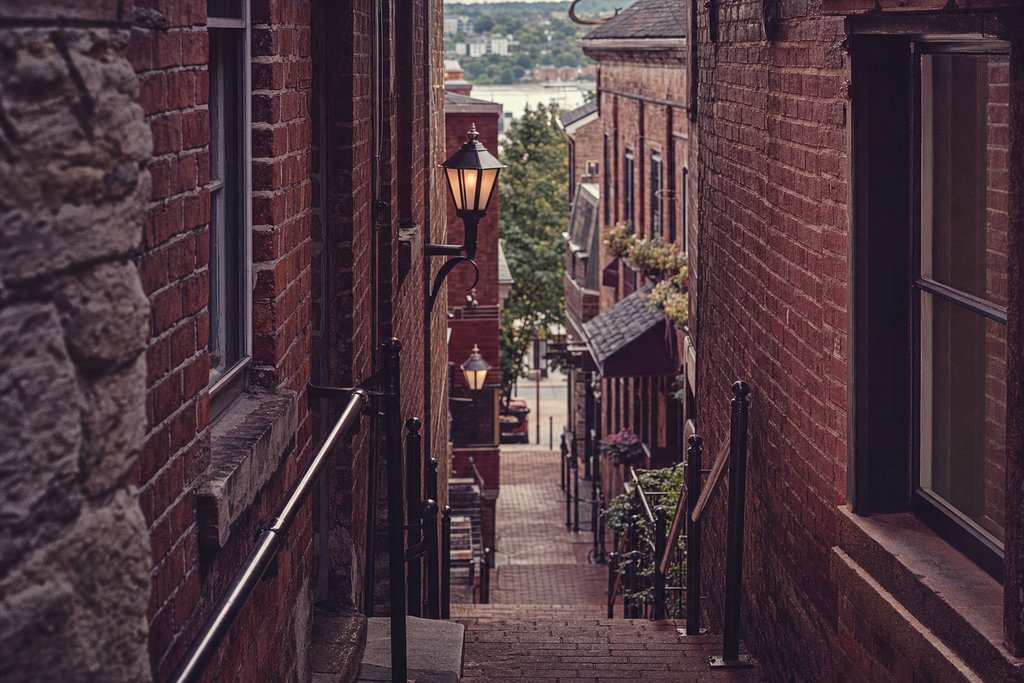
The alley is easy to walk past. From Pike Place, go down into the market's lower levels and look for the passage heading south towards Union Street; from Union Street, the alley entrance is a brick opening that looks like a service access, because it is one.
Two practical notes. It is a genuine alley: deliveries come through it and the ground is often wet. And the smell is real: a confined brick corridor lined with sugar in a damp climate produces exactly what you would expect, and it is stronger in summer.
Photographing it
- The light is poor. Two tall buildings and a north-facing passage; there is no hour when direct sun reaches most of it. A wide lens and a steady hand beat a tripod, which blocks a working alley.
- Close beats wide. The full-wall shot reads as noise. The interesting frames are at thirty centimetres, where the layering, the pressed coins and the shapes people build out of the ledges become legible.
- Early. Before nine the market is loading in and the alley is empty. By eleven it is a queue of people photographing each other against it.
What is around it
The wall is a five-minute stop and belongs inside a market morning rather than being a destination on its own. Within two minutes' walk: the market's main arcade and the produce stalls, the Athenian's lunch counter, and the first-store frontage on Pike Place. Ten minutes further down the hill is the waterfront, rebuilt since the viaduct came down in 2019.
All of that is covered in the Seattle location file, which also handles the Lake Union floating homes and Alki Beach: the other two things people come to this city for.
Will it be cleaned again?
Possibly, and the same argument will apply: the preservation case against it is real, the brick underneath is historic, and the sugar does damage. The 2015 clean was presented as a one-off conservation measure, not a policy, and nothing about the situation has changed.
If it happens, the wall will be bare for about a week and covered again within a year, because that is what happened last time. Which is the reason this entry carries a check date rather than a description; the surface is the least permanent thing on this entire site.
The rest of the American files are in the United States hub, and the full index with every entry's status is at the location index.
Frequently asked questions
Where is the Gum Wall in Seattle?
In Post Alley, directly beneath Pike Place Market, on the stretch outside the theatre between Pike Street and Union Street. The entrance is a steep brick passage off the market’s lower level and it is easy to walk past.
Was the Gum Wall cleaned, and is it still there?
It was steam-cleaned to the bare brick in November 2015, in a job that took several days and removed a reported ton of gum. It began re-covering the same week and is fully covered again. So the wall is standing, the surface is entirely post-2015, and none of the gum you see is older than that.
Why is there a gum wall at all?
It started around 1991 with people queueing for the theatre in the alley, who stuck chewed gum to the brick and pressed coins into it. Staff scraped it twice; it came back both times; management stopped scraping. That is the whole origin; it was not designed, commissioned or planned.
Is it worth visiting?
It takes five minutes and it is free, it is fifty metres from the market’s main arcade, and it is genuinely unlike anything else in the city. It also smells strongly and is unpleasant to touch, both of which are the point, not a complaint.