Victoria desk
Hepburn Springs: A Spa Retreat In Country Victoria
Hepburn Springs and Daylesford sit two kilometres apart in the hills north-west of Melbourne, on top of the densest concentration of natural mineral springs in Australia. The water is what the region is for: it comes out of the ground carbonated and heavily mineralised, it has been bottled and bathed in since the nineteenth century, and it is the reason a pair of small country towns carry a spa industry.
This file covers the springs reserve, the bathhouse, the two townships and the gold-rush country around them: with the practical parts the region gets wrong most often: what has to be booked, how long the drive really takes, and why this is a winter trip.
Where the water comes from
The springs are the surface expression of an old volcanic system. Rainwater percolates through fractured basalt, picks up dissolved carbon dioxide and minerals at depth, and returns to the surface under its own pressure. That is why it fizzes at the pump and why it tastes the way it does; the mineral load is not a marketing claim, it is the whole mechanism.
Around Hepburn there are dozens of individual springs, each with a slightly different chemistry. The reserve has a handful of them fitted with public hand pumps.
Hepburn Mineral Springs Reserve
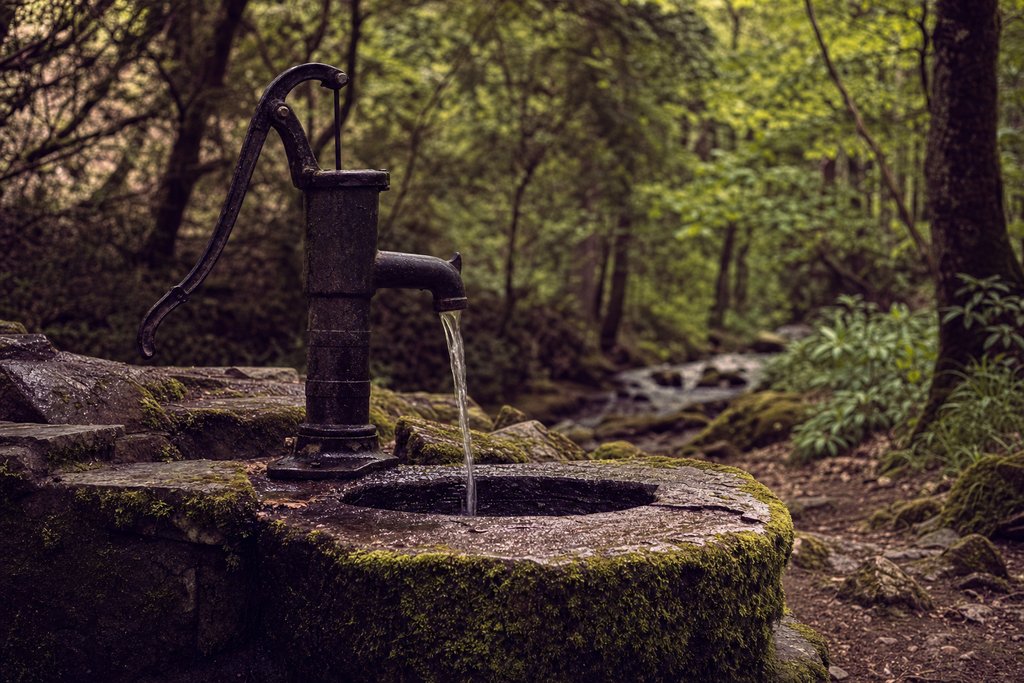
A wooded valley of tree ferns and eucalypts with a creek through it, a rotunda, a footbridge and several pumps drawing from different springs. It is public land, free, open at all hours, and the walk from the car park to the pumps is flat and a few minutes long.
Filling a bottle at the pumps is the local habit rather than a tourist activity. The water is strongly mineral and slightly effervescent, and each pump tastes different from the one fifty metres away.
- Address
- Mineral Springs Reserve Road, Hepburn Springs, Victoria
- Status
- Standing
- Access
- Open, free
- Checked
- Aug 2026
The bathhouse
Hepburn Bathhouse & Spa
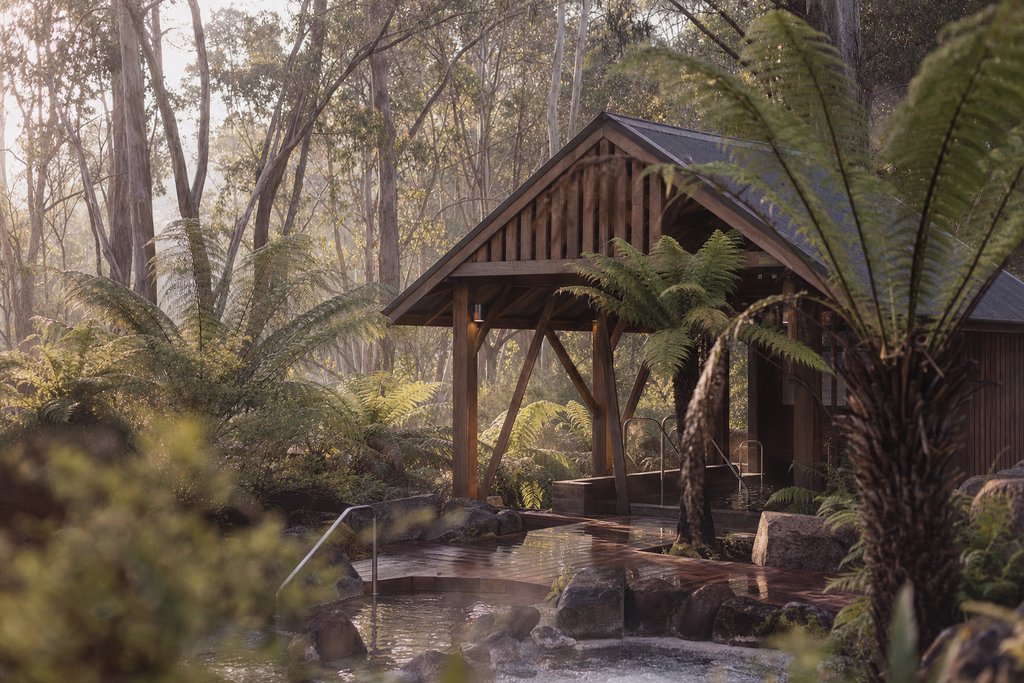
The bathing complex sits at the edge of the reserve, on a site that has been used for the purpose since the 1890s; the current building is a modern replacement around a retained historic core. It runs a public mineral pool area, a quieter adults-only sanctuary, and private treatment rooms.
Everything here needs booking and the lead time is longer than people expect: weekend sessions and any private treatment go weeks ahead, and the public pools operate timed entry, not walk-in. Midweek is easier and cheaper by a wide margin.
- Address
- Mineral Springs Reserve Road, Hepburn Springs, Victoria
- Status
- Changed (rebuilt around a retained historic core)
- Access
- Open, ticketed, booking required
- Checked
- Aug 2026
Daylesford
The larger of the two towns, two kilometres south, and the one with the shops. Daylesford was established in 1852, immediately after gold was found in the nearby Clunes district in 1850; the discovery credited to James Esmond, who had worked the Californian rush. What followed across central Victoria was one of the largest gold rushes of the nineteenth century, and it built every town in this file.
Vincent Street and the township
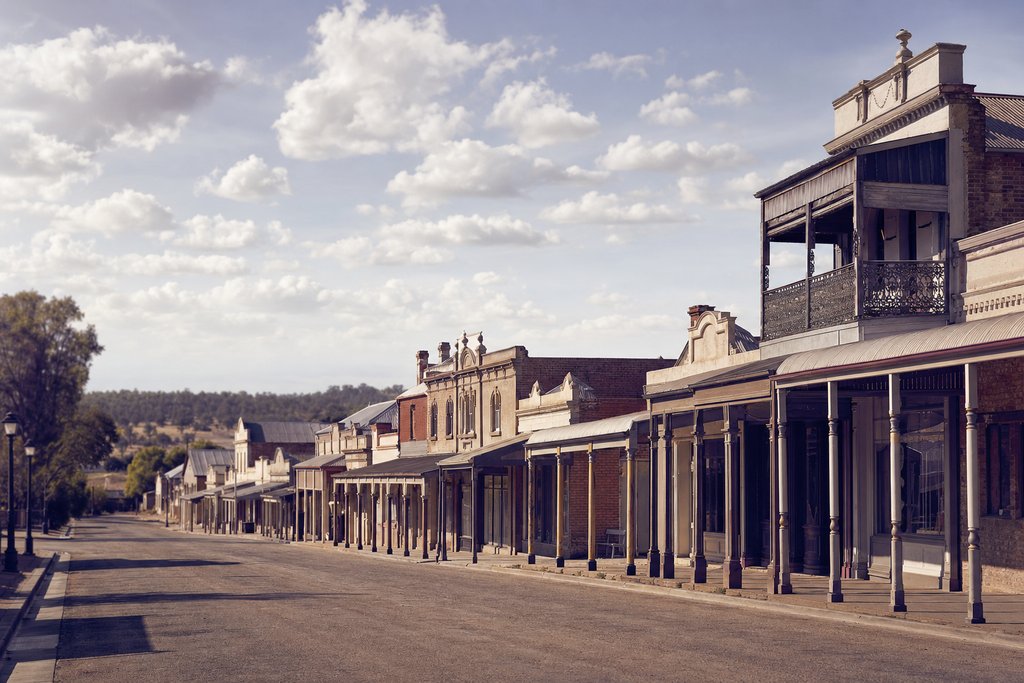
A steep main street of nineteenth-century verandahed shopfronts, now carrying specialty food, booksellers, homewares and a run of cafés. It is a working country main street, not a preserved one, and it keeps country hours: most of it is shut by five.
- Address
- Vincent Street, Daylesford, Victoria
- Status
- Standing
- Access
- Open
- Checked
- Aug 2026
Lake Daylesford and the Convent
A small lake ten minutes' walk below the town with a circuit path, boat hire and a mineral spring pump on its bank. Above the town, a former convent building now runs as a gallery and gardens with a view over the district.
- Address
- Leggatt Street, Daylesford, Victoria
- Status
- Standing
- Access
- Lake open and free; gallery ticketed
- Checked
- Aug 2026
Daylesford is also one of the most established regional LGBTQ+ communities in Australia, which is a fact about the town rather than a feature of the itinerary; it shapes the businesses, the events calendar and the atmosphere on the main street, and it is part of why a town of a few thousand people supports what it does.
The gold-rush towns around it
| Town | From Daylesford | What is there |
|---|---|---|
| Creswick | 20 min | Forestry school, a small mining museum, walking tracks |
| Clunes | 30 min | Where the 1850 find was made; an intact streetscape and a booktown weekend |
| Ballarat | 45 min | The big one: the gold museum, Sovereign Hill, a full nineteenth-century centre |
| Castlemaine | 40 min | Arts, a state park, and the best food of the four |
| Bendigo | 1 hr | Gold mine tours, a tram, and a regional gallery worth the drive |
Clunes is the one worth understanding: the streetscape is intact enough that it is used as a standing period location, which puts it in the same category as the towns in the location index rather than merely near them.
Getting there and staying
- Driving: about 110 km from central Melbourne, ninety minutes via the Western Freeway and Ballan. The last stretch is winding and carries wildlife at dawn and dusk.
- Public transport: train to Woodend or Ballarat and a connecting coach. It works and it is slow, and the region assumes a car once you are there.
- Accommodation: guesthouses and cottages, not hotels, and weekends carry two-night minimums through autumn and winter. Midweek is half the price.
- Fuel and shops: Daylesford. Hepburn Springs itself is a handful of buildings.
Season
This is a cold-weather destination and it is worth being blunt about that. The proposition is hot mineral water, a wood fire and a long lunch, and it is far better at eight degrees than at thirty. Autumn, April and May, is the best of it: the deciduous planting through both towns turns, the bathhouse is comfortable, and the crowds are smaller than in the July school holidays.
Midsummer is the weakest season. The district is dry and hot, the fire-danger ratings matter, and the bathhouse becomes the only cool place in town, which is not what it is for.
Where this sits on the site
Hepburn Springs completes the Victoria desk's regional half. The Warburton redwoods and Puffing Billy cover the ranges east of Melbourne, and the Yarra Valley file covers the country immediately beyond them. This is the north-west, and it is the only one of the four that is a genuine overnight rather than a day trip.
The rest of the Victoria material is in the Australia desk.
Frequently asked questions
What is there to do at Hepburn Springs and Daylesford?
Bathe in the mineral water at the bathhouse, walk the springs reserve and taste from the pumps, and spend half a day on Daylesford’s main street. Beyond that: Lake Daylesford, the Convent gallery, the Sunday market, and the gold-rush towns of Creswick, Clunes and Castlemaine within forty minutes.
How far is Hepburn Springs from Melbourne?
About 110 kilometres north-west, or ninety minutes by road via the Western Freeway and Ballan. There is a train to Woodend or Ballarat and a connecting coach, but the service is infrequent and the region is built around driving.
Do you have to book the bathhouse?
Yes, and further ahead than people expect. Weekend sessions and any private treatment book out weeks in advance, and the public pools have timed entry. Midweek is far easier and materially cheaper.
Can you drink the mineral water?
Yes. The reserve has public hand pumps drawing from the springs and people fill bottles from them; it is a normal local habit, not a novelty. The water is heavily mineralised and tastes strongly of it, which is the point.
When is the best time to visit?
Autumn and winter. The whole proposition is hot mineral water and a wood fire, and it works better at eight degrees than at thirty. Spring is the second choice; midsummer is the weakest, when the region is dry and the bathhouse is the only cool place in town.