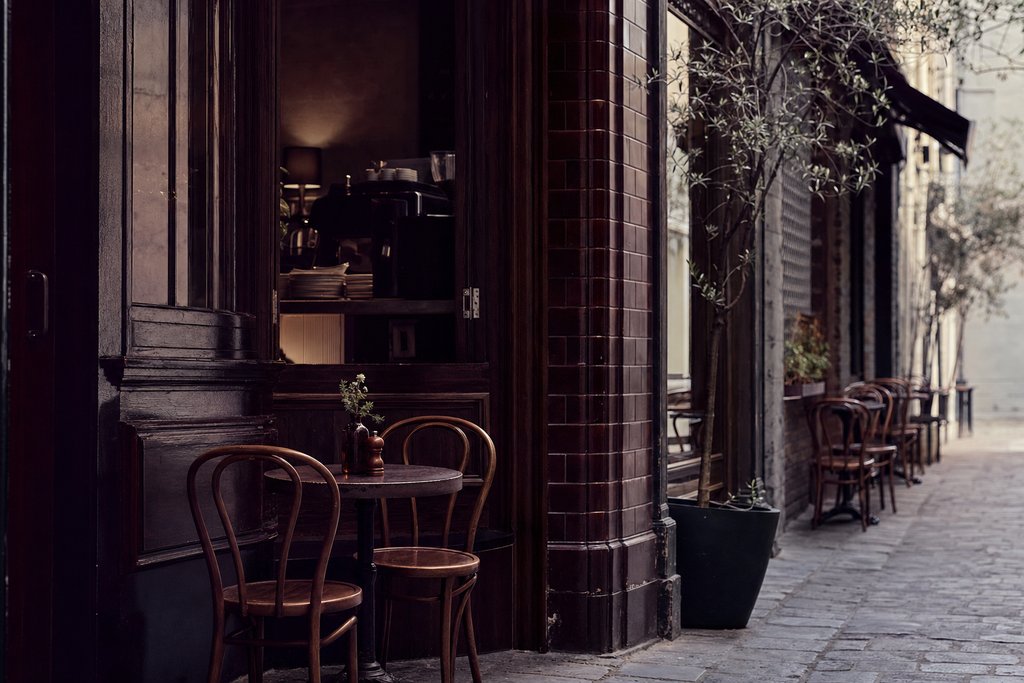
Victoria desk
Melbourne Cafe Guide: A Local Guide To Melbourne's Best Eats
Melbourne is a city where you can walk into a café at random and get a competent flat white, and that is not an accident of fashion. Espresso arrived here with Italian and Greek migration in the late 1940s and 1950s, four decades before the speciality coffee movement reached most English-speaking cities. By the time third-wave roasting arrived, Melbourne already had a population that drank espresso daily and knew when it was wrong.
This guide is arranged by district, because that is how the city works and because individual cafés open and close faster than any guide can track. Each section covers what the area does, the practical timing, and the tram that gets you there.
How to order
The local vocabulary is worth ten minutes. A flat white is espresso with steamed milk and minimal foam, served in a ceramic cup. A latte is the same drink in a glass with more milk. A piccolo is a ristretto with a small amount of milk in a shot glass. A long black is espresso poured over hot water, which is not an Americano; the order matters and so does the crema.
A magic is a Melbourne invention: double ristretto, steamed milk, small cup, served flat. It exists to give the strength of a piccolo at drinking volume, it is not on every menu, and ordering it in Sydney will usually produce a question.
Fitzroy and Collingwood
The highest concentration of cafés in the city, along Brunswick Street, Gertrude Street and Smith Street. The style is confident: menus that assume you have eaten out before, a lot of fermented and pickled things, and coffee from a roaster the café will name without being asked.
The trade-off is the queue. Between nine and eleven on a weekend a thirty-minute wait is normal at the better-known places, and none of them takes brunch bookings. Going at eight or after one removes the problem entirely and costs nothing. Gertrude Street is the quietest of the three and is where locals go when Brunswick Street is full.
Trams: the 11 up Brunswick Street, the 86 up Smith Street. Both leave from the top of the city and take under fifteen minutes. The same two streets carry most of the dessert trade after dark.
The CBD laneways
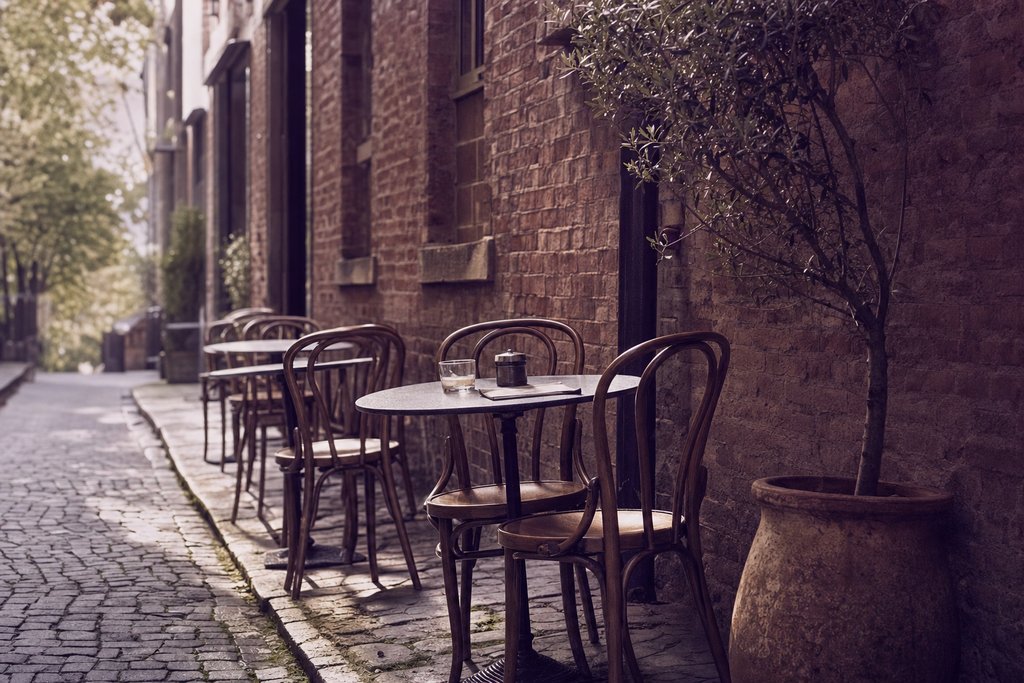
The city grid's service lanes were converted to cafés and bars from the 1990s onwards, and the results are small: some are a counter and four stools. Degraves Street and Centre Place are the best known and the busiest; the lanes off Little Collins and Flinders Lane are where the office trade actually goes.
Laneway cafés run on a weekday rhythm: packed from seven-thirty to ten, quiet at eleven, packed again at lunch, and many of them shut by three. Several close entirely at weekends, which surprises visitors who come in on a Sunday expecting the weekday scene. The laneway art file covers the same geography from a different angle.
Carlton and Brunswick
North of the university, Carlton keeps the older Italian trade on Lygon Street and a quieter student-and-academic café scene on the streets around it. Further north, Brunswick's Sydney Road and the streets off it carry a Middle Eastern and North African layer that is the most under-visited food in the inner north.
This is the district for a weekday morning rather than a weekend one: the queues are shorter, the rooms are bigger, and several places will let you sit with a book for two hours without minding.
South of the river: South Melbourne, Windsor and Prahran
The southern side is less densely caféd and more spread out. South Melbourne Market is the anchor (a covered market trading Wednesday and Friday to Sunday, with a run of food counters inside it) and Windsor's Chapel Street end carries a strip of cafés that stay open later than the northern suburbs manage.
Chapel Street is also where the Astor Theatre is, which makes a late breakfast in Windsor and an afternoon session at the cinema a workable half-day.
Roasters, and why the café will tell you
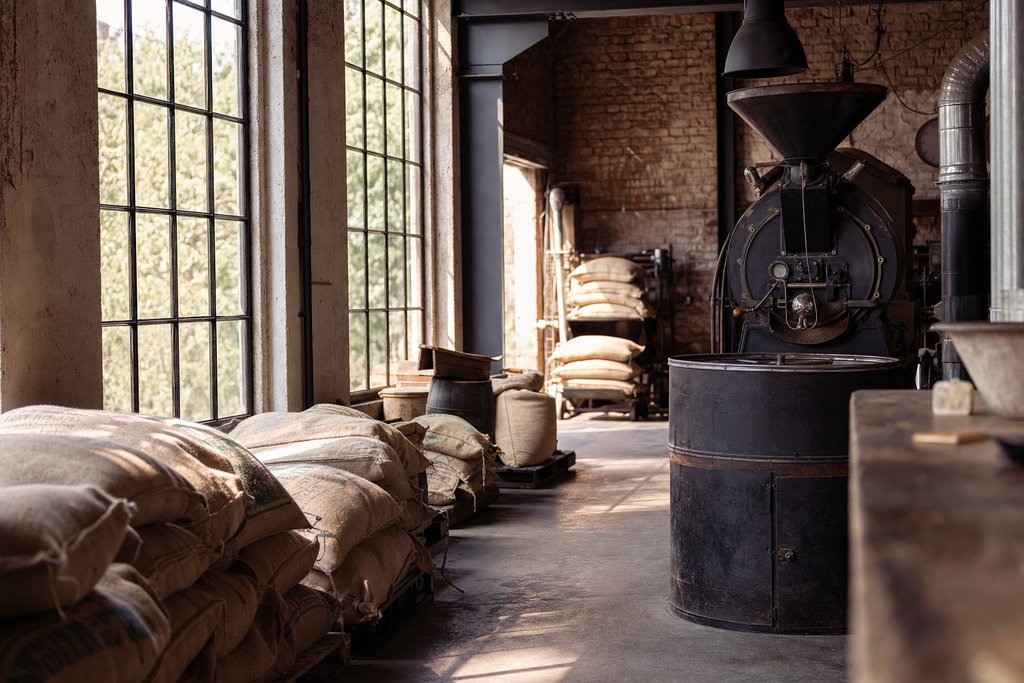
Most Melbourne cafés buy from a named local roaster rather than roasting themselves, and the relationship is treated as a credential: the roaster's name is on the menu, on the bags behind the counter and often on the window. It is a reliable quality signal in the sense that a café which cannot name its roaster usually has a reason.
Timing, weather and practicalities
Melbourne weather changes fast and cafés plan for it: most have indoor seating that they actually use, unlike Sydney. Winter is the better café season precisely because the rooms are warm and the queues are shorter.
Payment is card-first almost everywhere and a surcharge on card is common and legal, usually displayed at the counter. Tipping is not expected: see the tipping file for how differently that works in the United States. Public transport needs a Myki card; the free tram zone covers the CBD but none of the inner-north districts.
For the rest of the Victoria material, including the day trips out of the city, see the Australia desk.
What a Melbourne breakfast menu actually contains
The house repertoire is stable enough across the city that a menu can be read in advance. Understanding it is the difference between ordering the interesting thing and ordering the thing every café has.
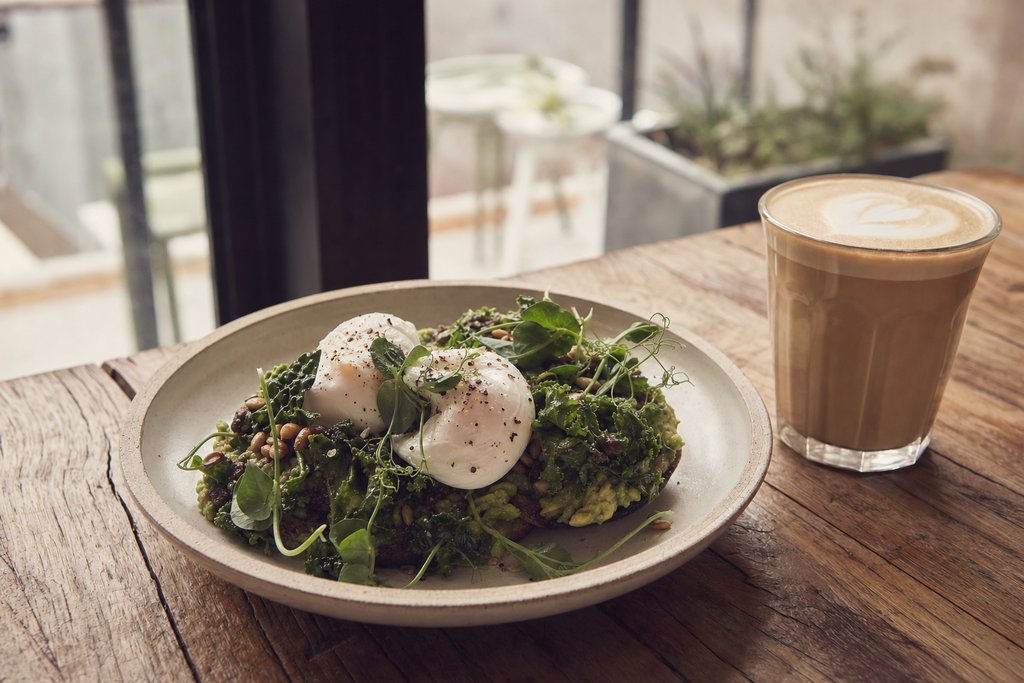
- Smashed avocado on toast. The dish the city is teased for, and it is genuinely good here because the bread is good. Sourdough, lemon, chilli, usually feta or dukkah. If a place gets this wrong, nothing else on the menu will be right.
- The big breakfast. Eggs, bacon, a house sausage, tomato, mushrooms, sourdough. A test of the kitchen's sourcing, not its imagination.
- Baked eggs. Eggs baked in a tomato and capsicum base, usually with chorizo or haloumi, served in the pan. The winter default.
- Corn fritters. An unofficial city standard, almost always with avocado, halloumi and a relish, and the item most likely to be the kitchen's own recipe.
- Congee, banh mi, shakshuka. The layer that has arrived in the last fifteen years and now sits on ordinary menus without comment, which is the clearest indicator of how the city eats.
Timing a weekend
The queue is the only real obstacle to eating well here, and it is entirely a function of the clock. Between nine and eleven at a well-known place in the inner north, a thirty-minute wait is normal and there is no booking to be had. Before nine you walk in. After one you walk in.
The convention when you do queue is worth knowing: give your name at the counter, buy a coffee, and wait on the footpath. Nobody stands inside, and hovering over a table that is finishing is considered poor form. Most places will text or call out when the table is ready.
Kitchens generally stop serving breakfast between two and three, and a great many inner-north cafés close entirely by four. The city does not do a late brunch; it does an early one.
Coffee, and how to tell a good one
Three things separate a competent flat white from a poor one, and all three are visible before you taste it. The crema should be a hazelnut brown, not pale or scorched. The milk should be glossy and unaerated, with no visible bubbles, and it should be hot rather than scalding: milk taken past about sixty-five degrees tastes cooked and no roast survives it. And the pour should sit flush with the rim.
Beyond that, the useful signal is the roaster. Most Melbourne cafés buy from a named local roaster rather than roasting themselves, and the relationship is treated as a credential: the name is on the menu, on the bags behind the counter and often on the window. A café that cannot name its roaster usually has a reason.
Single-origin filter is offered almost everywhere now, usually as batch brew or pour-over, and it is where the interesting coffee is. Asking what is on filter today is a reasonable question and will get a real answer.
Where locals go that visitors do not
Four displacements worth making, each about ten minutes' walk from somewhere busier.
- Gertrude Street instead of Brunswick Street. Same district, half the queue, and the cooking is at least as good.
- Carlton North instead of Lygon Street. The streets above Elgin carry neighbourhood cafés with tables you can sit at for two hours.
- Footscray instead of the CBD. Fifteen minutes west by train, and the best Vietnamese food in the city: a different meal from brunch, and a better one.
- The market cafés at Queen Victoria Market on a weekday morning, when the market is trading properly and the tourists are not there yet.
Practical notes
- Payment is card-first almost everywhere. A surcharge on card is common, legal, and displayed at the counter.
- Tipping is not expected. Rounding up is a kindness, not an obligation: see the tipping file for how differently that works in the United States.
- Dietary requirements are handled routinely; gluten-free and vegan options are standard, not special requests.
- Dogs are allowed at outdoor tables in most municipalities and not inside.
- Water is brought to the table unasked in most places, and is tap water, and that is normal.
Seasonality
Winter is the better café season here, which surprises people. The rooms are warm, the queues are shorter, and the menus shift to baked eggs, congee and porridge that a kitchen can actually be proud of. Summer pushes everyone onto footpath tables, which are pleasant but noisier and hotter than the interior.
Melbourne's weather also changes within a morning often enough that indoor seating matters more here than in Sydney, and the good places all have it.
The suburbs worth crossing town for
Four food districts outside the inner-north circuit, each a different cuisine and each about twenty minutes from the centre by train.
| Suburb | Direction | What it does | Best time |
|---|---|---|---|
| Footscray | West | Vietnamese and East African; the market | Weekday morning |
| Richmond, Victoria Street | East | Vietnamese, a long unbroken strip | Lunch |
| Brunswick, Sydney Road | North | Middle Eastern and North African | Late afternoon |
| Box Hill | East | Chinese regional, dumplings, dessert | Any |
None of these is a café district in the brunch sense, and that is why they are worth the trip: they are where the city eats when it is not performing.
The markets
- Queen Victoria Market: the largest, in the north of the CBD, trading Tuesday and Thursday to Sunday. The deli hall is the part worth the visit; the general goods sheds are not.
- South Melbourne Market: Wednesday and Friday to Sunday, smaller, better food counters, and the one locals actually shop at.
- Prahran Market: Tuesday and Thursday to Sunday, south of the river, and the best produce of the three.
- Footscray Market: daily, and completely different in character: live seafood, whole fish, herbs by the bunch, and prices from another decade.
All four have coffee inside them and all four are at their best before ten.
A weekday and a weekend, planned
Weekday: a laneway café in the CBD at eight with the office trade, Queen Victoria Market's deli hall at ten, lunch in Richmond or Footscray, and an afternoon coffee in Carlton North where nobody minds how long you sit.
Weekend: Gertrude Street at eight before the queues, a walk up Smith Street, the Fitzroy gelato at eleven, South Melbourne Market for lunch, and Chapel Street in the evening: which puts you next to the Astor for an afternoon or evening session.
Things that catch visitors out
- No brunch bookings. Almost nowhere takes them. Queue, or go outside the window.
- Early closing. A great many inner-north cafés shut by four and many CBD laneway places by three, and several close entirely at weekends.
- Card surcharges are legal and displayed at the counter.
- Tap water arrives unasked and is normal; asking for still or sparkling means a bottle you will be charged for.
- Public holidays carry a surcharge, usually ten to fifteen per cent, displayed on the menu or at the door.
- "Coffee" means espresso. Filter is available and has to be asked for by name.
Frequently asked questions
What makes Melbourne cafe culture different?
Espresso arrived with post-war Italian and Greek migration decades before it reached most English-speaking cities, so the coffee habit here is older than the speciality movement, not a product of it. The result is a city where an ordinary suburban café is expected to make a competent flat white, not just a specialist one.
Where should you go for brunch in Melbourne?
Fitzroy and Collingwood for the highest concentration, Carlton North and Brunswick for quieter versions of the same thing, South Melbourne and Windsor south of the river, and the CBD laneways if you are staying in the centre. All are within twenty minutes of the city by tram.
What is a magic coffee?
A Melbourne invention: a double ristretto with steamed milk in a small cup, served flat, roughly the size of a piccolo but stronger. It is not on every menu, and ordering it outside Melbourne will often get you a blank look.
Do Melbourne cafes take bookings?
Mostly not for brunch. The convention is to queue, give a name, and wait outside with a coffee. Between nine and eleven on a weekend a thirty-minute wait at a well-known place is normal; going before nine or after one avoids it entirely.