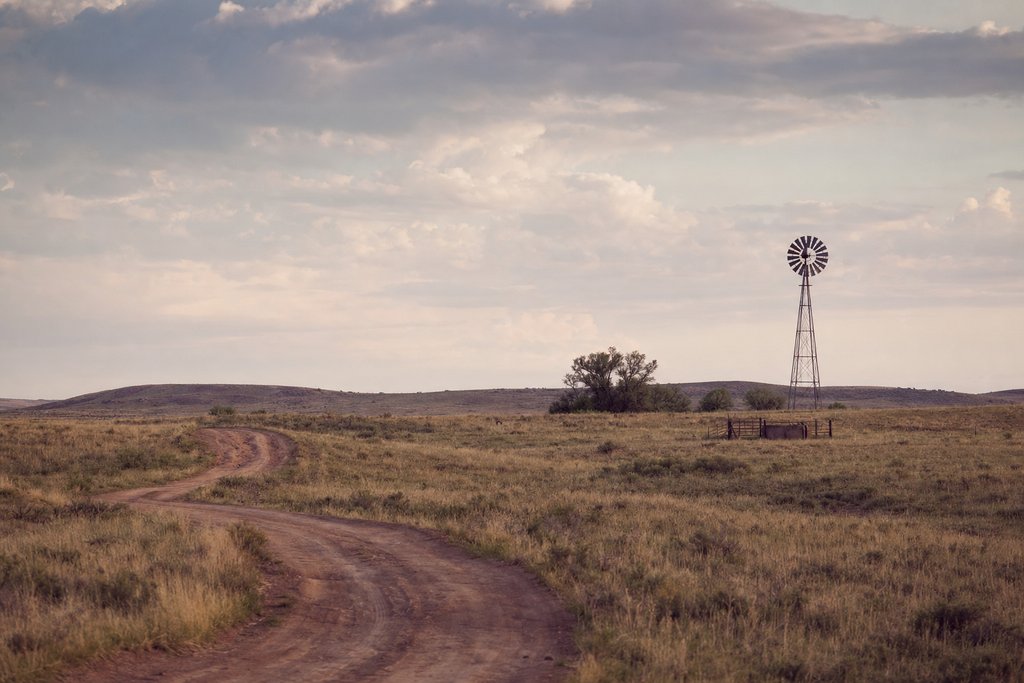
Australia
Melbourne and regional Victoria as a standing desk, plus Sydney, Canberra and the Whitsundays.
Open the hubAll destinations
Every one of the travel destinations covered here, arranged by country: four regional hubs and an umbrella for everything that does not fill one. Each hub holds the whole files; the location index cuts across all of them by address.
4 regions · 22 files · two hemispheres

Melbourne and regional Victoria as a standing desk, plus Sydney, Canberra and the Whitsundays.
Open the hub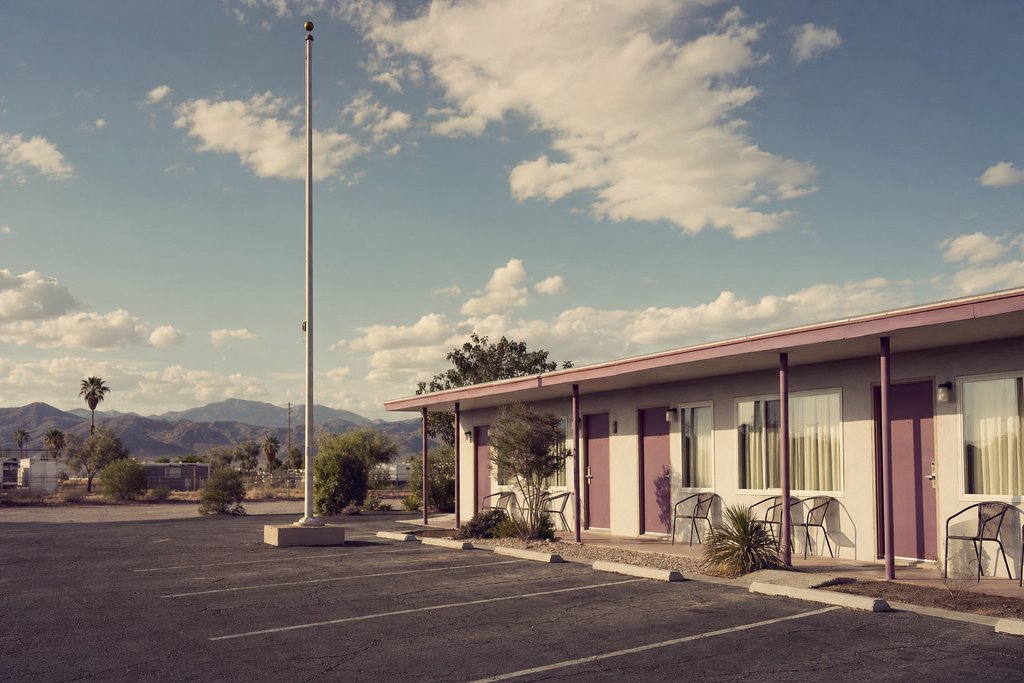
The largest silo: the Carolina coast, the desert southwest and the Californian coast road.
Open the hub
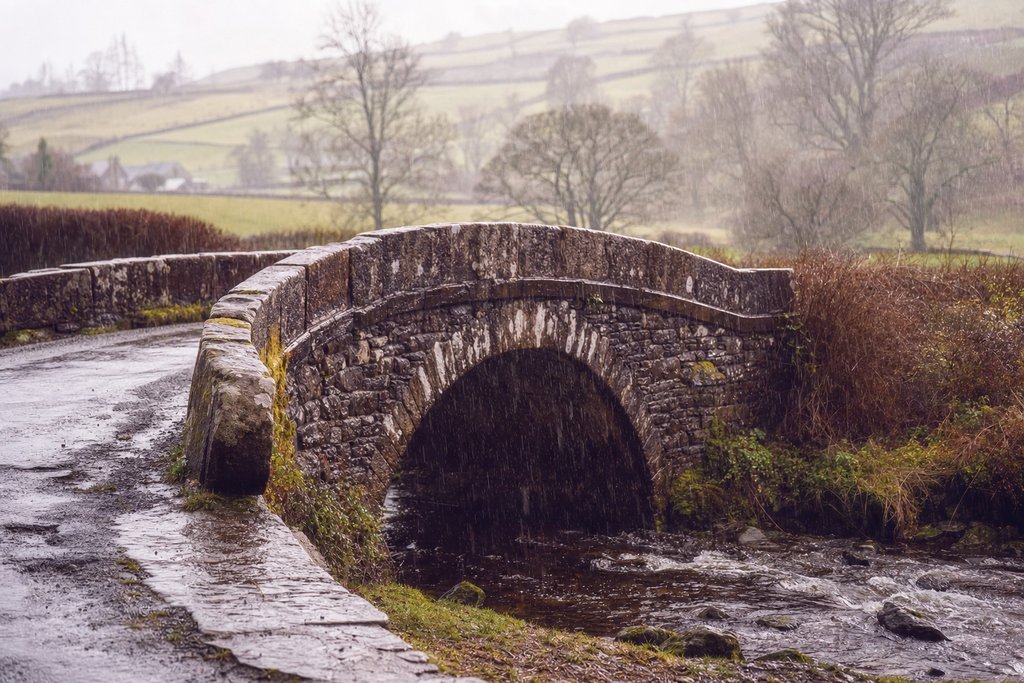
Bath and the southern Cotswolds, and an honest note about what is not covered.
Open the hubTwo countries sit under this page rather than in hubs of their own, because a hub with one or two children is thin content whatever it is called. Canada travel is covered inside the location files; the Illyria school is in British Columbia, standing in for a United States the production never visited, which is one of the more instructive entries on this site.
New Zealand travel and the remaining single-country material are folded in the same way. When either accumulates enough files to be a section, it becomes one; until then it lives here, which is a more useful answer than an empty page with a country name on it.
Sorting the travel destinations by country instead of by continent is what makes that work: Canada travel belongs beside the American files it borders and imitates on screen, and New Zealand travel belongs beside Australia. Filed by country, both stay findable without a hub built around a single page.
The location index is the cross-cutting view: one row per address with a status and a check date, filterable by whether a place is still standing, and searchable by town, state or production.

The travel destinations on this site do not combine into one itinerary. Three of the four hubs are on different continents and none of them pairs with another in a single trip. The one genuine overlap is seasonal: Victoria is at its best from October to April, Queensland from May to September, and northern-hemisphere Europe inverts both, so an Australian summer and a European Christmas are the same weeks and cannot both be had.
The practical layer for any of them is in travel tips: connectivity, money and the fee structures that decide what a trip costs once you are moving.
| If you want | Go to | Because |
|---|---|---|
| Screen locations you can walk to | United States | Most of the index, and most of it on public land |
| A city plus day trips | Australia | Melbourne with forests, a steam railway and a 1936 cinema within ninety minutes |
| No car at all | Europe | Every file is walkable from a rail station |
| One town, done properly | UK & Ireland | Bath in a day, and an honest note about what is not covered |
The four regions sit in three climate patterns and two hemispheres, and the good windows barely intersect. Victoria is at its best from October to April; Queensland from May to September; northern-hemisphere Europe from April to June and September to October.
The practical consequence is that an Australian summer and a European Christmas are the same weeks and cannot both be had, and that a trip combining Victoria and the Whitsundays is choosing between them rather than including both. This is the single most useful thing this page can say.
A region gets a hub here when there is enough to say about it to fill several properly written files. Where there is not, Canada and New Zealand at present, the material sits under this page instead.
That is deliberate. A hub with one or two children is a thin page whatever it is called, and a country name over an empty list answers nobody's question. When either has enough files to stand on, it becomes a section; until then it does not.
By region, into four hubs: Australia, the United States, Europe and the UK and Ireland. Canada and New Zealand material sits under this umbrella page, not in hubs of their own, because one or two files do not justify a section.
In passing, not as sections. The Canadian material appears inside the filming-location files (She’s the Man was shot around Vancouver, not in the United States it is set in) and both countries sit under this page rather than having hubs with one child each.
Because there is more to say about some of them. This site goes deep on the United States and on Victoria because that is where it has enough verified material to be useful, and padding the thinner regions to match would produce pages that say nothing.
The hubs are geographic and hold whole files: a city, a coast, a day trip. The location index is a single filterable table of individual places (one row per address, with its status and check date) which cuts across every region at once.