Location file
A Foodie's Guide To Canberra's Best Eats
Canberra has a reputation as a place people pass through, and its food scene is consistently better than that reputation predicts. The reasons are structural, not fashionable: a small, well-paid population, a diplomatic community with international expectations, and a ring of cool-climate farmland and vineyards within forty minutes of the centre.
The city is also planned, which affects eating more than it sounds like it should; the dining is not on a high street but distributed in discrete precincts, several kilometres apart, each with its own character.
The precincts
| Precinct | Where | Character |
|---|---|---|
| Braddon | North of Civic | Lomo Street, small bars, casual, busiest |
| Kingston Foreshore | South, on the lake | Waterside, newer, larger rooms |
| NewActon | West of Civic | Small, architectural, the ambitious kitchens |
| Manuka & Kingston | South | Established, more formal |
| EPIC | North edge | Saturday farmers market |
Braddon
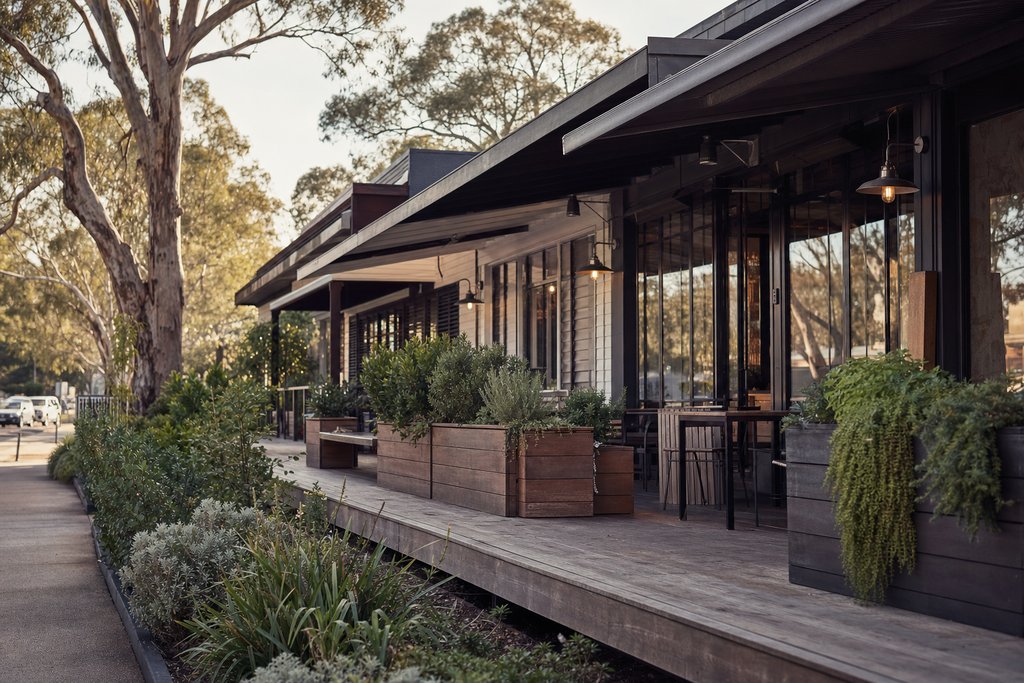
The precinct that changed the city's eating. A block of former light-industrial and motor-trade buildings north of Civic, converted from about 2013 into small bars, cafés, a brewery or two and a concentration of casual restaurants. Lonsdale Street is the spine.
It is the busiest area at night and the easiest to walk between places in, which in Canberra is a meaningful advantage. It is also where the city's independent coffee is concentrated: not at Melbourne density, but the standard is high.
Kingston Foreshore
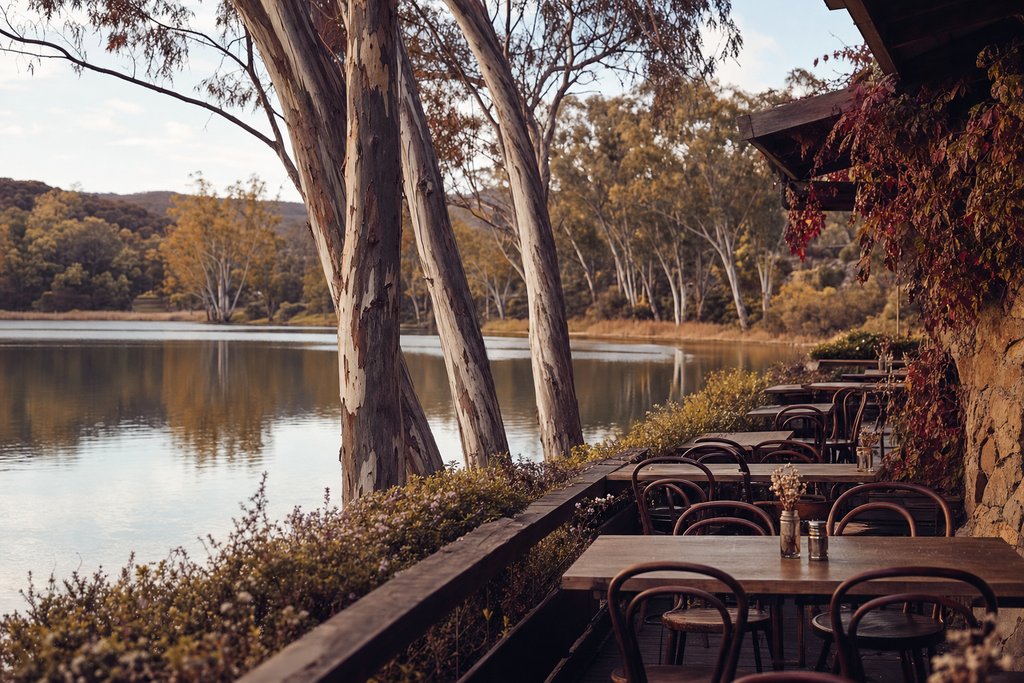
South of the lake, a redeveloped waterfront of apartment buildings with restaurants at ground level facing the water. Larger rooms, more seafood, better for a long lunch than for a late one, and the most pleasant place in the city to eat outdoors in autumn.
The Old Bus Depot Markets nearby run on Sundays and are the other weekend food fixture besides the Saturday farmers market.
NewActon and the ambitious end
A small mixed-use precinct west of Civic, architecturally distinctive, holding a handful of the city's more serious kitchens along with a cinema and a hotel. This is where to book if the meal is the point of the evening rather than part of it.
Bookings matter here in a way they do not in Braddon: the rooms are small and the good ones fill a week or two ahead at weekends.
The farmers market
Capital Region Farmers Market, EPIC
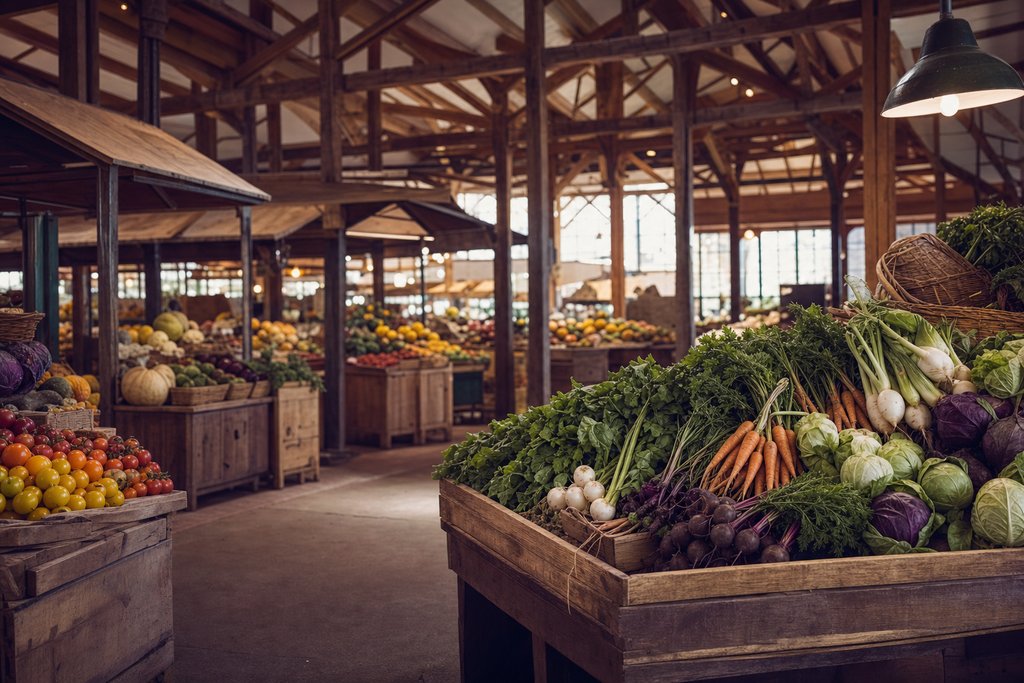
Saturday mornings on the showground site at the northern edge of the city. It is a producer market (growers, butchers, bakers, cheesemakers from the tablelands and the south coast) rather than a craft or street-food market, and it is where the region's food actually comes from.
It starts early and is winding down by late morning; the good stalls sell out. Parking is free and extensive, which for a Saturday market is unusual.
- Address
- EPIC, Flemington Road, Mitchell, ACT
- Status
- Standing
- Access
- Open Saturday mornings
- Checked
- Aug 2026
The wine region
The Canberra District is a cool-climate region on the tablelands around Murrumbateman and Hall, thirty to forty minutes north of the city. Riesling and shiraz are what it is known for, and the altitude, most vineyards sit well above five hundred metres, is why.
Most cellar doors open at weekends and several are closed midweek, so a Tuesday drive out will find locked gates. Several have restaurants attached and those need booking. A car is necessary, and so is a plan about who is driving.
Practicalities
- Distances: the precincts are kilometres apart. Walking between Braddon and Kingston is not realistic; the light rail runs north from Civic through Braddon, and buses and rideshare cover the rest.
- Timing: Canberra eats early. Kitchens in several precincts stop taking orders by nine, and Sunday and Monday closures are common.
- Season: winter mornings are properly cold, often below freezing, and summer afternoons are hot and dry. Autumn is the best month for the foreshore and the wine region both.
- Parliamentary sitting weeks fill hotels and restaurants; if a booking is unexpectedly impossible, that is usually why.
Fitting it into a trip
Canberra is three hours from Sydney by road and about seven from Melbourne, and it is most often visited for the national institutions; the galleries, the war memorial, the parliament. Eating well here is straightforward once the precinct structure is understood, and the Saturday market plus an afternoon in the wine region makes a better weekend than the itineraries usually suggest.
The rest of the Australian material is in the Australia desk, including Sydney at the other end of the drive. For the food comparison that started this one, see the Melbourne cafe guide; travel tips covers paying for any of it.
Why a planned city eats the way it does
Canberra was laid out as a set of separate town centres connected by parkways, and the food follows that plan exactly. There is no high street, because the city was never designed to have one. What it has instead is five or six discrete precincts, each several kilometres from the next, each with its own character and its own closing time.
The practical consequence is that "where to eat in Canberra" is really "which precinct are you in tonight", and moving between two of them mid-evening is a fifteen-minute drive, not a walk. Choosing the precinct first and the restaurant second is the way to plan a night here.
Braddon in detail
Lonsdale Street and the blocks either side of it were light industrial and motor trade until about 2013, and the conversion left behind wide frontages, high ceilings and roller doors that open onto the footpath. The result is the densest walkable eating in the city and the only part of it that feels like an inner-city strip.
The range runs from a brewery taproom to small plates to late-night dumplings, and the coffee comes from roasteries within the territory rather than from a national supplier.
Light rail runs the length of Northbourne Avenue beside it, which makes Braddon the one precinct reachable from the city centre without a car.
What the region grows
The tablelands around Canberra sit between five and eight hundred metres above sea level, which makes them genuinely cool-climate by Australian standards. That shows up on menus as:
- Cool-climate wine: riesling and shiraz from Murrumbateman and Hall, thirty to forty minutes north.
- Stone fruit and berries in summer from the Yass and Young districts.
- Lamb and beef from the surrounding grazing country, sold directly at the Saturday market.
- Coastal seafood trucked up from Batemans Bay and the far south coast, two hours east: fresher here than in most inland cities.
The wine region as a day out
Murrumbateman is the centre of the Canberra District, about thirty-five minutes north on the Barton Highway. Friday to Sunday is the reliable window, and the cellar doors with restaurants attached book out at weekends.
The practical plan is a Saturday: the farmers market at EPIC first thing, then north to two or three cellar doors, lunch at one of them, and back by mid-afternoon. A designated driver is not optional; the highway is policed and the alternative is an expensive ride.
Practical notes
- Early kitchens. Nine is a realistic last-orders time across the city, and Sunday and Monday are the quiet nights everywhere.
- Sitting weeks. When federal parliament sits, hotels and the better restaurants fill with people on expenses. If a booking is unexpectedly impossible, that is usually why, and the schedule is published a year ahead.
- Getting between precincts. Light rail covers Civic to Gungahlin through Braddon; everything else is buses or a ride. Distances are short but not walkable.
- Winter. Canberra mornings drop below freezing regularly. Outdoor dining is a summer and autumn proposition only.
- Combining with the institutions. The galleries, the war memorial and parliament are all within a few kilometres of the Kingston and Civic precincts, which makes a culture-then-dinner day straightforward.
Eating around the national institutions
The galleries, the war memorial and parliament all have cafés, and two of them are genuinely good, not merely convenient. Planning a day around one removes the main difficulty of eating in Canberra, which is that the precincts are nowhere near the institutions.
The practical pattern: the institutions in the morning, lunch on site, and one of the precincts for dinner: Kingston Foreshore if you are already south of the lake, Braddon if you are north.
What is open when
- Sunday and Monday closures are common in all precincts.
- The farmers market is Saturday morning only and finishes by lunchtime.
- The Old Bus Depot Markets run on Sunday.
- Cellar doors mostly open Friday to Sunday; several are shut midweek.
Frequently asked questions
Where do you eat in Canberra?
Braddon and the Kingston Foreshore carry most of the current dining, Manuka and Kingston the older established rooms, the Canberra Centre and Civic the weekday lunch trade, and the Capital Region Farmers Market at EPIC the Saturday morning produce. NewActon holds a small cluster of the more ambitious kitchens.
Is Canberra a good food city?
Better than its reputation, for a structural reason: it is a small city surrounded by cool-climate farmland and vineyards, with a well-paid population and a diplomatic community, so it supports more serious kitchens per head than its size suggests.
What is the Canberra district wine region?
A cool-climate region on the tablelands around Murrumbateman and Hall, roughly thirty to forty minutes north of the city, best known for riesling and shiraz. Most cellar doors are open at weekends and fewer midweek.
When is the Canberra farmers market?
Saturday mornings at EPIC on the northern edge of the city, starting early and winding down by lunchtime. It is a producer market, not a craft market, and it is where the region’s growers actually sell.